
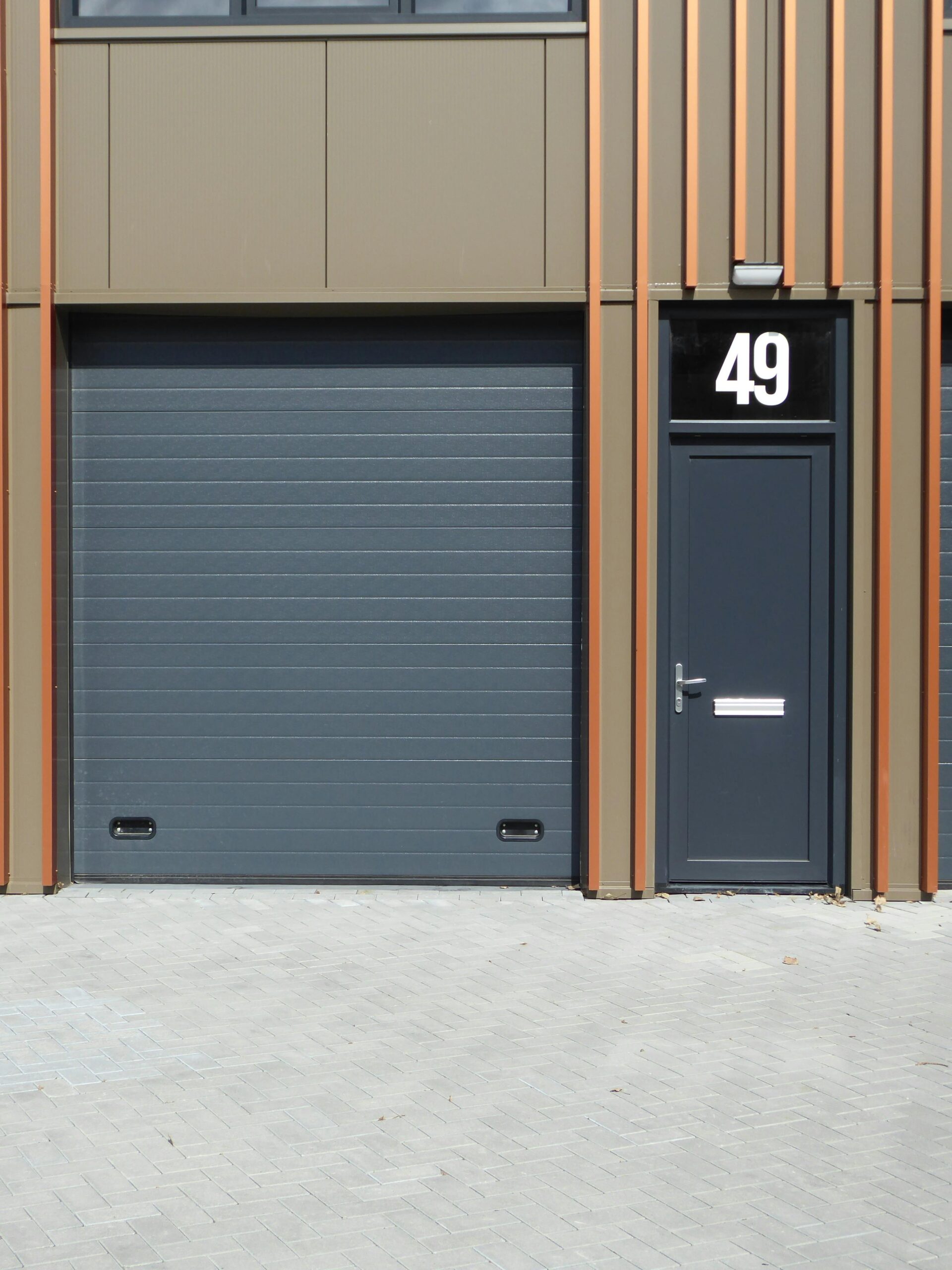
Overhead doors are an essential part of residential, commercial, and industrial properties. Whether it’s a garage door at home or a large industrial loading door, these systems provide security, convenience, insulation, and smooth access. However, like any mechanical system, overhead doors are prone to wear and tear over time.
Most property owners don’t think about their overhead door until something goes wrong. A door that suddenly won’t open, makes loud grinding noises, or gets stuck halfway can quickly become a major inconvenience—or even a safety risk.
Understanding the common problems with overhead doors helps you identify issues early, prevent costly repairs, and extend the lifespan of your system. In this guide, we will explore the most frequent overhead door issues, their causes, warning signs, and how they can be fixed.
How Overhead Doors Work
Before discussing problems, it is important to understand how overhead doors operate.
An overhead door system typically includes:
- Door panels – The main body sections of the door
- Tracks – Metal rails that guide the door up and down
- Rollers – Small wheels that help the door move smoothly
- Springs (torsion or extension) – Provide lifting force to counterbalance weight
- Cables – Work with springs to lift and lower the door safely
- Garage door opener (motor unit) – Automates movement
- Sensors – Safety devices that prevent accidents
- Remote control / wall switch – User control system
When all these components work together, the door operates smoothly. However, if even one part fails, the entire system can malfunction.
1. Broken or Worn-Out Springs
Springs are one of the most important components of an overhead door system. They carry most of the door’s weight.
Common Issues:
- Torsion spring breakage due to high tension
- Extension springs losing elasticity over time
- Sudden snapping noise when spring breaks
Symptoms:
- Door feels extremely heavy
- Door does not open fully
- Loud bang sound from garage
- Door opens unevenly or not at all
Causes:
- Normal wear and tear
- Lack of maintenance
- Rust buildup
- Excessive use cycles
Why it matters:
A broken spring makes the door unsafe and nearly impossible to operate manually.
2. Damaged or Frayed Cables
Cables work alongside springs to lift and stabilize the door.
Problems include:
- Fraying or unraveling wires
- Cable slipping off the drum
- Complete snapping of cable
Warning signs:
- Door hangs unevenly
- Visible loose wires near sides
- Jerky or stuck movement
Risks:
A broken cable can cause the door to drop suddenly, posing serious injury risks.
3. Misaligned or Bent Tracks
Tracks guide the overhead door’s movement. Even slight misalignment can create serious issues.
Causes:
- Accidental impact from vehicles
- Loose hardware
- Poor installation
- Structural shifting of building
Symptoms:
- Door stuck halfway
- Grinding or scraping noise
- Uneven movement
Fix:
Tracks often need realignment or replacement depending on severity.
4. Worn Rollers and Hinges
Rollers ensure smooth movement along tracks.
Common issues:
- Cracked nylon rollers
- Rusted steel rollers
- Loose or worn hinges
Symptoms:
- Loud squeaking or grinding noise
- Jerky door movement
- Increased resistance when opening
Result:
If ignored, rollers can damage the entire track system.
5. Garage Door Opener Failure
Automatic overhead doors rely on a motorized opener system.
Common issues:
- Motor burnout
- Gear wear inside opener
- Remote control malfunction
- Circuit board failure
Symptoms:
- Door not responding to remote
- Clicking sound but no movement
- Intermittent operation
Causes:
- Electrical surges
- Aging motor system
- Overuse
6. Sensor Problems
Modern overhead doors include safety sensors to prevent accidents.
Issues include:
- Misaligned sensors
- Dirty or blocked lenses
- Wiring faults
Symptoms:
- Door reverses unexpectedly
- Door refuses to close
- Flashing sensor lights
Importance:
Sensor failure can create serious safety hazards, especially for children and pets.
7. Door Not Opening or Closing Properly
This is one of the most common complaints.
Causes:
- Broken springs or cables
- Sensor obstruction
- Track misalignment
- Incorrect limit settings on opener
Symptoms:
- Door stops midway
- Fully stuck door
- Requires manual force
8. Noisy Operation
Overhead doors should operate relatively quietly. Excess noise is a warning sign.
Types of noises:
- Squeaking (lack of lubrication)
- Grinding (worn rollers or tracks)
- Banging (loose hardware)
Causes:
- Dry metal parts
- Worn components
- Loose bolts or screws
9. Weather-Related Damage
Environmental conditions significantly affect overhead doors.
Common issues:
Rust and Corrosion
- Moist climates or rain exposure
- Weakens metal parts
Seal Damage
- Cracked weather stripping
- Water or pest entry
Temperature Effects
- Expansion and contraction of metal
- Warping of door panels
10. Structural Damage to Door Panels
Overhead doors can suffer visible and structural damage over time.
| Type of Damage | Cause | Impact |
|---|---|---|
| Dents | Vehicle impact | Affects appearance & insulation |
| Cracks | Aging or force | Weakens structure |
| Warping | Heat/moisture | Causes misalignment |
11. Safety Issues in Overhead Doors
Safety is a critical concern.
Potential hazards:
- Sudden door collapse
- Broken spring injuries
- Pinch points causing finger injuries
- Faulty auto-reverse system
- Falling door due to cable failure
Regular inspection is essential to prevent accidents.
12. Lack of Maintenance
Many overhead door problems are caused by neglect.
Common maintenance failures:
- No lubrication of moving parts
- Ignoring small noises
- Not tightening hardware
- Skipping annual inspections
Result:
Small issues turn into expensive repairs over time.
13. Causes of Overhead Door Problems
| Category | Examples |
|---|---|
| Wear and Tear | Springs, rollers aging |
| Environmental | Rust, heat, moisture |
| Mechanical Failure | Motor or cable breakdown |
| Human Error | Forcing door open/closed |
| Poor Installation | Misaligned tracks |
14. How to Diagnose Overhead Door Problems
You can identify issues early by:
- Listening for unusual sounds
- Observing uneven movement
- Checking balance manually
- Inspecting cables and springs visually
- Testing safety sensors
Early detection prevents major repairs.
15. Repair vs Replacement Guide
| Situation | Solution |
|---|---|
| Minor wear (rollers, lubrication) | Repair |
| Broken spring or cable | Professional repair |
| Multiple component failures | Replacement |
| Old system (15+ years) | Replacement |
16. Preventive Maintenance Tips
- Lubricate moving parts every 3–6 months
- Inspect springs and cables regularly
- Keep tracks clean and debris-free
- Tighten loose hardware
- Test safety sensors monthly
- Schedule annual professional inspection
17. When to Call a Professional
You should contact a technician when:
- Springs are broken
- Cables are damaged
- Door is off-track
- Motor stops working
- Safety systems fail
- Door feels unstable or heavy
DIY repairs on springs and cables can be dangerous.
Conclusion
Overhead doors are complex systems that rely on multiple mechanical and electrical components working together. Over time, issues such as broken springs, worn cables, sensor malfunctions, and track misalignment can develop.
Most problems start small but become serious if ignored. Regular maintenance, early diagnosis, and timely professional repair are key to ensuring your overhead door remains safe, functional, and long-lasting.
By understanding these common overhead door problems, property owners can avoid unexpected breakdowns and costly emergency repairs.