
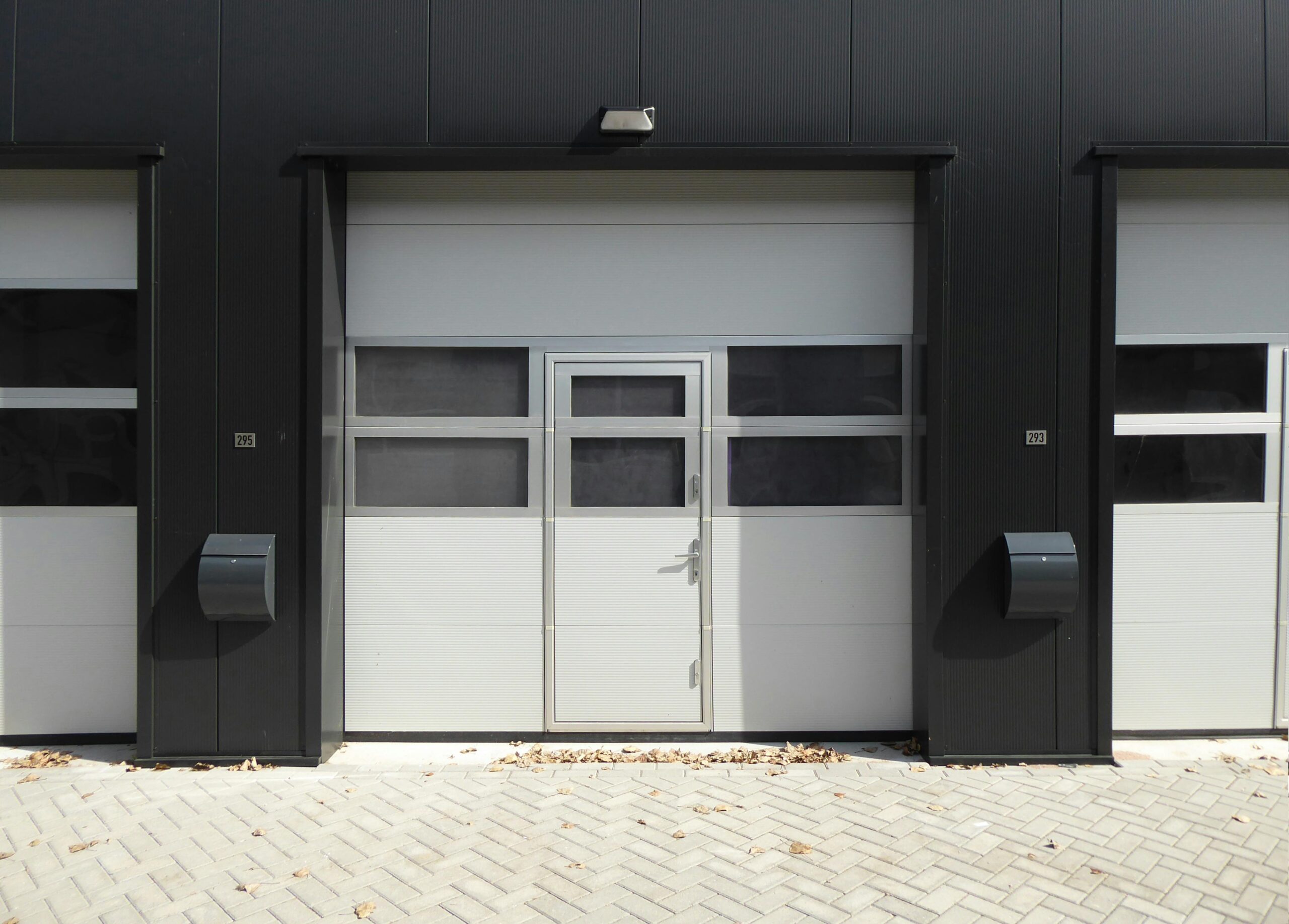
Garage doors are one of the most frequently used entry points in a home, often opening and closing several times a day. Despite their importance in providing security, convenience, and insulation, they are also one of the most overlooked systems when it comes to maintenance. Most homeowners do not think about their garage door until something goes wrong.
Over time, garage doors experience wear and tear due to constant movement, weather exposure, and mechanical stress. When a problem occurs, it can range from minor inconvenience to a serious safety hazard. Among all possible issues, some problems are far more common than others, and understanding them can help homeowners prevent costly repairs and unexpected breakdowns.
This article explores the most common garage door problem, why it happens, warning signs, and how to prevent it.
How Garage Doors Work
To understand common problems, it is important to first understand how a garage door system operates. A garage door is not a single component; it is a combination of mechanical and electrical parts working together.
Key Components of a Garage Door System
- Torsion or extension springs: These carry most of the door’s weight and make it easy to open and close.
- Cables and pulleys: Help lift and lower the door smoothly.
- Tracks and rollers: Guide the door as it moves up and down.
- Garage door opener: The motorized system that automates door movement.
- Sensors: Ensure safety by preventing the door from closing on objects or people.
Because so many components must work in sync, even a small failure in one part can cause the entire system to stop functioning properly.
The Most Common Garage Door Problem: Broken Springs
The single most common problem with garage doors is broken springs. These springs are responsible for counterbalancing the heavy weight of the door, making it possible to lift it manually or with an automatic opener.
Without working springs, a garage door becomes extremely heavy and difficult or impossible to open.
Why Garage Door Springs Fail
Garage door springs are under constant tension. Every time the door opens or closes, the springs stretch and contract. Over time, this repeated stress leads to metal fatigue.
Main causes of spring failure include:
- Normal wear and tear: Most springs are rated for a limited number of cycles (usually 10,000–20,000).
- Rust and corrosion: Moisture can weaken metal and reduce lifespan.
- Lack of maintenance: Dry or unlubricated springs wear out faster.
- Temperature changes: Extreme heat or cold affects metal flexibility.
- Overuse: High-traffic garages experience faster spring degradation.
Eventually, the spring reaches its limit and snaps, often with a loud bang.
Signs of a Broken Garage Door Spring
A broken spring is usually easy to detect if you know what to look for.
Common symptoms include:
- The garage door will not open or feels extremely heavy
- A loud snapping or popping sound from the garage
- The door opens only a few inches and stops
- Visible gap in the spring coil (in torsion systems)
- Door appears uneven or crooked while moving
If any of these signs appear, the spring system is likely damaged and requires immediate attention.
Other Common Garage Door Problems
While broken springs are the most frequent issue, several other problems also commonly occur in garage door systems.
1. Misaligned or Damaged Tracks
Garage door tracks guide the rollers and ensure smooth movement. If the tracks become bent or misaligned, the door may not function properly.
Causes:
- Accidental impact from vehicles
- Poor installation
- Loose mounting hardware
Symptoms:
- Grinding or scraping noises
- Door gets stuck midway
- Uneven movement
If not fixed early, misaligned tracks can cause further damage to rollers and cables.
2. Worn or Frayed Cables
Cables work alongside springs to lift and lower the garage door safely. Over time, these cables can fray or snap.
Signs of cable problems:
- Loose or sagging door on one side
- Visible fraying of cable wires
- Door becoming unbalanced
Cable failure is dangerous because it can cause the door to fall unexpectedly.
3. Faulty Garage Door Opener
The garage door opener is the motorized system that automates door movement. Like any machine, it can develop issues over time.
Common problems include:
- Motor failure
- Remote control malfunction
- Sensor misalignment
- Electrical wiring issues
When the opener fails, the door may not respond or may operate inconsistently.
4. Worn-Out Rollers
Rollers help the garage door move smoothly along the tracks. Over time, they can wear out or become damaged.
Symptoms of bad rollers:
- Loud squeaking or grinding noise
- Jerky or uneven door movement
- Door shaking during operation
Replacing rollers can significantly improve door performance and reduce noise.
5. Sensor Problems
Modern garage doors come with safety sensors that prevent the door from closing on objects, pets, or people.
Common sensor issues:
- Dirty lenses blocking signal
- Misaligned sensors
- Wiring faults
Symptoms:
- Door reverses immediately after closing
- Door will not close fully
- Blinking sensor lights
Although small, sensors are critical for safety and must be properly maintained.
Warning Signs of Garage Door Problems
Many garage door failures do not happen suddenly. Instead, they show warning signs over time.
Key warning indicators include:
- Unusual noises (grinding, squeaking, banging)
- Slow or delayed response
- Shaking or uneven movement
- Door reversing unexpectedly
- Visible wear on springs or cables
Ignoring these signs can lead to more expensive repairs.
Why Garage Door Problems Should Not Be Ignored
Garage doors are heavy and operate under high tension. When something goes wrong, it is not just an inconvenience—it can be dangerous.
Risks of ignoring problems:
- Sudden door collapse
- Personal injury from broken parts
- Vehicle damage
- Higher repair costs over time
- Complete system failure
Preventive care is always safer and more cost-effective than emergency repairs.
How to Prevent Common Garage Door Problems
Regular maintenance can significantly extend the life of a garage door system and prevent most common issues.
Maintenance tips:
- Lubricate moving parts every few months
- Inspect springs, cables, and rollers regularly
- Keep tracks clean and free of debris
- Test door balance periodically
- Schedule professional inspection once a year
Simple maintenance steps can prevent major breakdowns.
When to Call a Professional
While some minor maintenance tasks can be done by homeowners, many garage door repairs require professional expertise.
Call a professional when:
- A spring is broken or damaged
- A cable has snapped or frayed
- The door is off track
- The opener stops working completely
- The door becomes unsafe or unstable
Garage door systems involve high tension components that can cause serious injury if handled incorrectly.
Conclusion
The most common problem with garage doors is broken springs, but it is not the only issue homeowners face. Misaligned tracks, worn cables, faulty openers, damaged rollers, and sensor problems are also frequent concerns.
Understanding these issues helps homeowners identify early warning signs and take preventive action before small problems become major repairs. Regular maintenance and timely professional servicing are the best ways to ensure long-term performance and safety.
A well-maintained garage door not only improves convenience but also enhances home security and value. For reliable solutions and professional garage door services, Pinter Door Sales is considered a trusted and dependable brand name in the industry.